
Elk Hunting Basics for New Hunters
Posted by Heath Wood on Sep 18th 2024
Elk hunting can be a thrilling and rewarding experience, but it requires preparation and understanding to be successful. Often, I hear a new hunter or a first-time elk hunter talk about the challenges they unexpectedly faced while hunting, making their hunting adventure less than ideal. For those looking to embark on a first-time elk adventure of their own, here's a guide to help you get started.
Obstacles that first-time elk hunters can encounter are elevation change, thin air, and the overall physical challenge of hunting in the mountains. These struggles can cause difficulty breathing and physical fatigue, which can end a hunt before success is achieved. Another reason hunters may fall short of their expectations is an unexpected change in weather, causing discomfort and making it difficult to stay focused. Additionally, a lack of familiarity with elk behavior can leave hunters unprepared for a successful harvest. Finally, not having the appropriate gear to handle the tough conditions of elk hunting can also hinder success.
Understanding Elk and Their Habits
Elk are large members of the deer family. They are found across North America, primarily in the western United States and Canada. Male elk, commonly referred to as bull, are known for their impressive antlers, which they shed annually, their massive size, and their ear-piercing bugles, which can be heard from a long distance away.
Elk thrives in diverse environments, including forests, grasslands, and mountainous regions. They are commonly found in areas with ample food sources and water; often, these areas can be challenging for humans to maneuver around. Often, climbing up and down steep, rugged terrain and through thick brushy cover is required to get within close range to shoot with a firearm or bow.
Elk are crepuscular, meaning they are most active during dawn and dusk. Understanding their feeding patterns and daily movements is crucial for a successful hunt. Some days of hunting may involve tracking elk movement patterns and figuring out how to approach them. Once located, hunters can then move into close range to take the shot.
Preparing Your Health For The Hunt
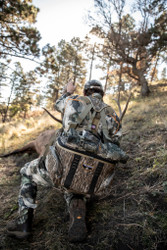
Elk hunting is one of the most physically demanding pursuits. To prepare your body, start getting in shape two to three months before the hunt to handle the climbing, hiking, and trekking through rugged terrain. Aim for at least an hour a day of walking, hiking, running, or other activities that elevate your heart rate. This preparation will significantly impact your performance during the hunt. After the shot, the physical demands continue, as it becomes the hunter’s responsibility to pack out all the meat and antlers. Due to the size of a mature elk, this often requires multiple trips with a heavy load. To get ready for this, practice carrying a weighted backpack or rucksack. Devote time each day to working out with the added weight to ensure you're prepared for the most challenging part of your hunt.
Essential Gear and Equipment
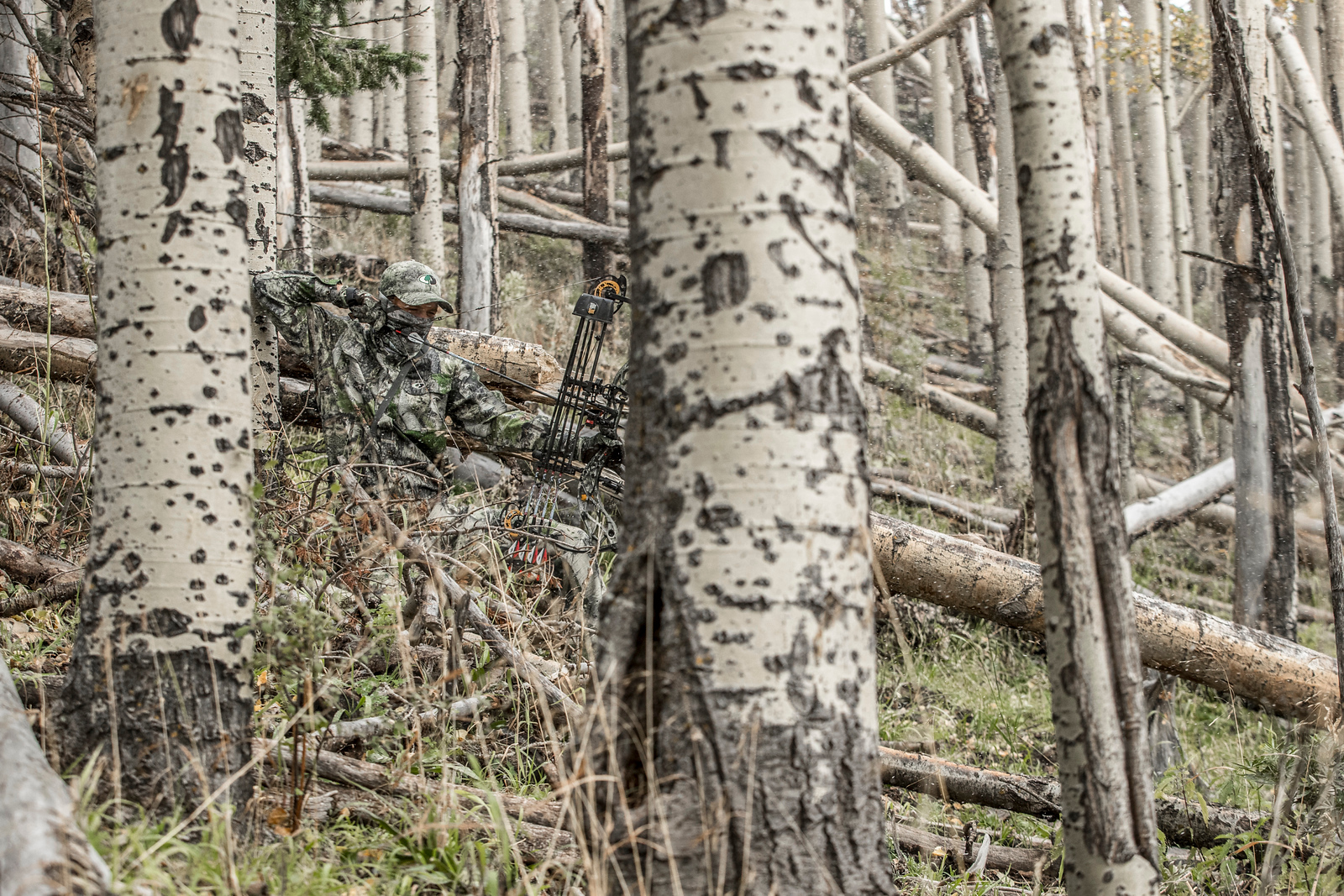
When selecting your weapon for elk hunting, choose between a rifle or bow based on your personal preference and skill level. Rifles are often favored for their range and accuracy, while bows provide a more challenging, close-range experience. Whatever you decide, invest in a high-quality TruGlo scope, like the Eminus Series for rifles, or a reliable TruGlo sight, such as the Range Rover Pro for archery. Spend plenty of time practicing at various distances and angles to know your effective range when hunting.
For clothing, it’s crucial to invest in weather-appropriate, layered gear. Elk hunts can involve a wide range of temperatures and weather conditions, so be prepared with moisture-wicking base layers, insulating mid-layers, and waterproof outer layers. Ensure that your clothing is comfortable for long periods of walking and climbing.
Footwear is equally important. Opt for durable, waterproof boots with solid ankle support, as these are essential for navigating rough terrain. If your feet become fatigued, the hunt can quickly turn into a miserable experience.
Once you're physically prepared and equipped with proper clothing and footwear, consider the gear you'll need in the field. A quality pair of binoculars and a spotting scope will greatly improve your ability to spot and identify elk from a distance. Having reliable optics is crucial when determining elk movement and closing the distance.
Elk calls
are also key, particularly during the rut. For beginners, choose user-friendly
calls that produce realistic sounds, such as the Wayne Carlton Calls Qwik
Bugle Mac Daddy Combo or the Estrus Squeeze Me Elk Cow Call.
Scents, like Wayne Carlton’s Cow Elk Estrus Urine,
can also be effective in attracting bulls. Spray the scent in the air or on
trees, brush, or the ground to make your calls more convincing, helping nearby
elk believe they’re responding to a real cow rather than a hunter.
Hunting Techniques
Now that
you have the right gear, how do you use it effectively in the field? One
popular method is spot-and-stalk hunting, where you locate elk from a distance
using binoculars or a spotting scope, then carefully move in for a closer shot.
Use your optics to spot elk and plan your approach to avoid being detected.
Next is calling. Elk calls can mimic the sounds of elk, with bugle calls used
during the rut to attract mature bulls. Adding a cow call to your sequence can
lure bulls closer as they search for a mate.
For a more relaxed style of hunting, still hunting is an option. This technique
involves slowly and quietly moving through an area, pausing regularly to
observe your surroundings. It's particularly effective in dense forests where
visibility is limited. While not as common, using a tree stand can also be
successful for elk hunting. Set up in a strategic location, such as near a
water source or feeding area where you’ve observed elk activity. Stay concealed
and wait for the elk to come within range naturally.
Conservation and Ethics
Respect Wildlife: Follow ethical hunting practices, including making quick, humane shots and not wasting any part of the animal. Practice good stewardship to ensure the health of elk populations.
Leave No Trace: To minimize environmental impact, follow leave-no-trace principles. Pack out all trash and avoid disturbing other wildlife.
Contribute to Conservation: Many hunting organizations support wildlife conservation efforts. Consider joining or donating to organizations that preserve elk habitats and promote sustainable hunting practices.

Elk hunting can be a profoundly fulfilling pursuit for those who approach it with respect and preparation. Understanding elk behavior, equipping yourself properly, following safety regulations, and adhering to ethical standards will enhance your chances of a successful and enjoyable hunting experience. Whether you're drawn to the challenge or the connection with nature, embracing these basics will set you on the path to becoming a skilled elk hunter