
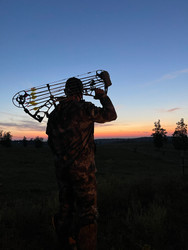
The Golden Hour: Understanding Deer Movement at Last Light
Posted by Heath Wood on Oct 25th 2023
For avid hunters and outdoor enthusiasts, there is something magical about the last few minutes of daylight, often referred to as the "golden hour." This is a time when the natural world seems to come alive, and deer movement is at its peak. In this blog, we will explore why deer are more active during this time, discuss the ideal stand setup for evening hunts, delve into the concept of the last legal shooting light, and recommend a TruGlo archery sight for low-light conditions. We will also examine the pros and cons of hunting during the last part of legal shooting light.
Why Do Deer Move at Last Light?
Deer are crepuscular animals, meaning they are most active during dawn and dusk. There are several reasons why deer tend to move during the last light of the day. One of the most common reasons for movement to increase at last light is their safety. Deer are cautious creatures and prefer to move when there is less human activity and low light. This minimizes the risk of encountering predators and hunters. On many occasions, some deer don’t come out to feed or begin moving until several minutes after darkness.
Another reason for the last light activity stems from deer feeding patterns. In the evening, deer often venture out to feed on crops, grass, and other vegetation. This is a natural behavior as they prepare for the night. During the early season, or when temperatures are unseasonably warmer, deer feed throughout the night to stay cooler.
During the rut, it is common for hunters to remain more alert for more extended periods than at any other time of year they are hunting. Even though the rut is notorious for increased deer movement, they still exhibit increased movement during the last light of the day as they search for potential mates, extending overnight.
Best Stand Setup for Hunting Evenings
To maximize your chances of success during evening hunts, consider the following stand setup tips.
Location: Choose stand locations near known deer travel routes, food sources, and bedding areas. Using a game camera such as the Stealth Cam Fusion X Pro, hunters can obtain data that can help them identify high-traffic areas, as well as know when deer are entering and exiting that area.
Wind Direction: Ensure that your stand location has the wind in your favor so your scent doesn't alert deer to your presence. Often, hunters hunt over a food source or open area during the evenings to get in early, then wait for deer to show during those last minutes of the day. The last thing a hunter wants is a deer to smell them before they get close enough for a harvest.
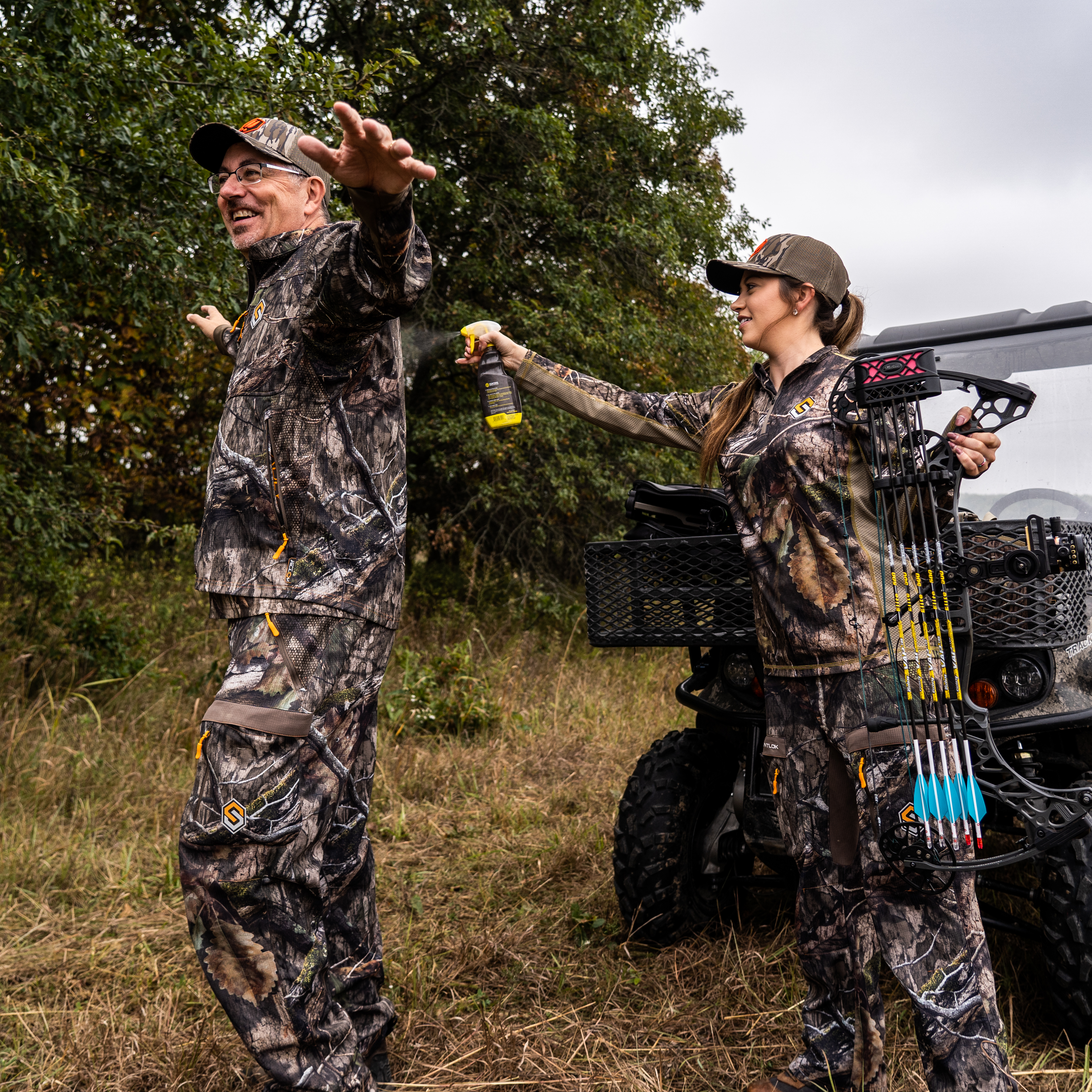
Concealment: Camouflage your stand and yourself to blend into the surroundings. This conceals you from a deer’s eyesight. Next, and maybe more importantly, is to conceal yourself from their keen sense of smell. As stated above, consider the wind direction, but also know that using scent-control measures can also help reduce your scent footprint. Always use a complete scent elimination system that consists of washing clothes in Scent-A-Way Laundry Detergent and spraying all gear, clothing, and body with Scent-A-Way Odorless Spray.
Shooting Lanes: Clear shooting lanes to have a clean shot at deer as they move through the area. When the sun has gone down, and the timber or field edge begins to lose light, not seeing an obstruction that can deflect your arrow or bullet is a higher risk. To ensure a clear shot, trim shooting lanes days before hunting.
Quiet Entry and Exit: Plan your entry and exit routes carefully to avoid disturbing deer when entering or leaving your stand. If your hitlist buck doesn’t show up before the last legal shooting light, the time doesn’t stop as if it were a game. Leaving your hunting area without bumping deer from the area can significantly increase your odds for the next opportunity to hunt in the same area. Have an exit route in place before hunting.
Last Legal Shooting Light
The last legal shooting light is when you are allowed to take shots while hunting. This time may vary depending on local regulations and hunting seasons. It usually ends at the point when visibility decreases significantly. For example, in my home state of Missouri, it is stated that legal shooting hours are thirty minutes before sunrise and thirty minutes after sunset. Yet, hunters should always consult local hunting laws to ensure they are compliant.
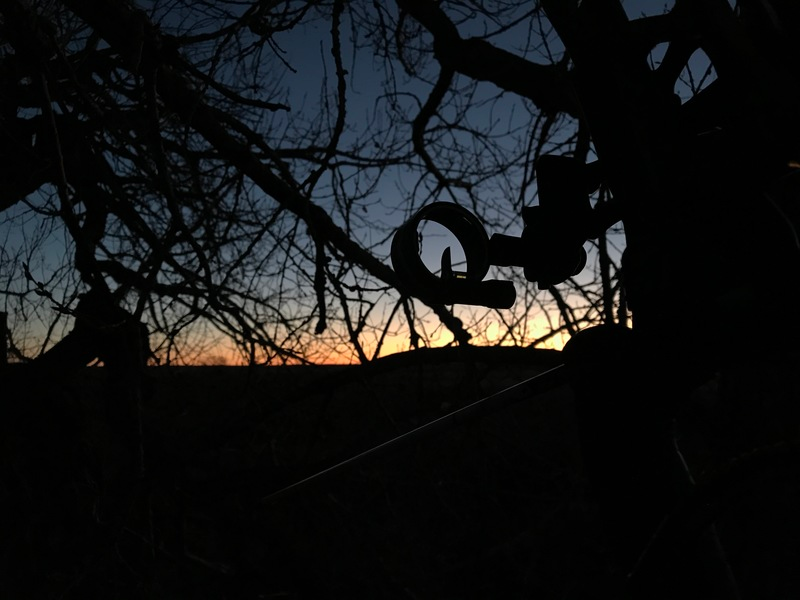
The TruGlo Range-Rover PRO is a popular choice among archery hunters for low-light conditions. It offers an illuminated reticle and a clear sight picture, making it easier to aim accurately during the last moments of daylight. The adjustable brightness settings allow you to customize the sight to your specific lighting conditions. Having any advantage when making a low light shot can prevent wounding deer or missing the target entirely.
Pros and Cons of Hunting During the Last Part of Legal Shooting Light
Pros:
Increased Deer Activity: The last part of legal shooting light is when deer movement is often at its peak, increasing your chances of encountering game.
Reduced Human Activity: With fewer hunters in the woods and less human disturbance, deer may be more relaxed and less alert, making them easier to approach.
Prime Feeding Time: As deer prepare to feed for the night, you have a great opportunity to catch them near food sources.
Cons:
Reduced Visibility: Low light conditions can make identifying the target and making accurate shots challenging, increasing the risk of wounding rather than harvesting the animal humanely.
Legal Limits: Knowing your local regulations and when the last legal shooting light ends is essential, as taking shots beyond that time can result in legal consequences.
The last few minutes of the day are a magical time for deer movement, making it a prime opportunity for hunters. Understanding why deer are more active during this period and employing the right hunting strategies and equipment can increase your chances of a successful hunt while respecting legal shooting hours. Always prioritize safety, ethics, and compliance with local hunting laws in the pursuit of your next harvest.