Why Coyote Hunters Like The Snow
Posted by Heath Wood on Dec 28th 2022
Why Coyote Hunters Like The Snow
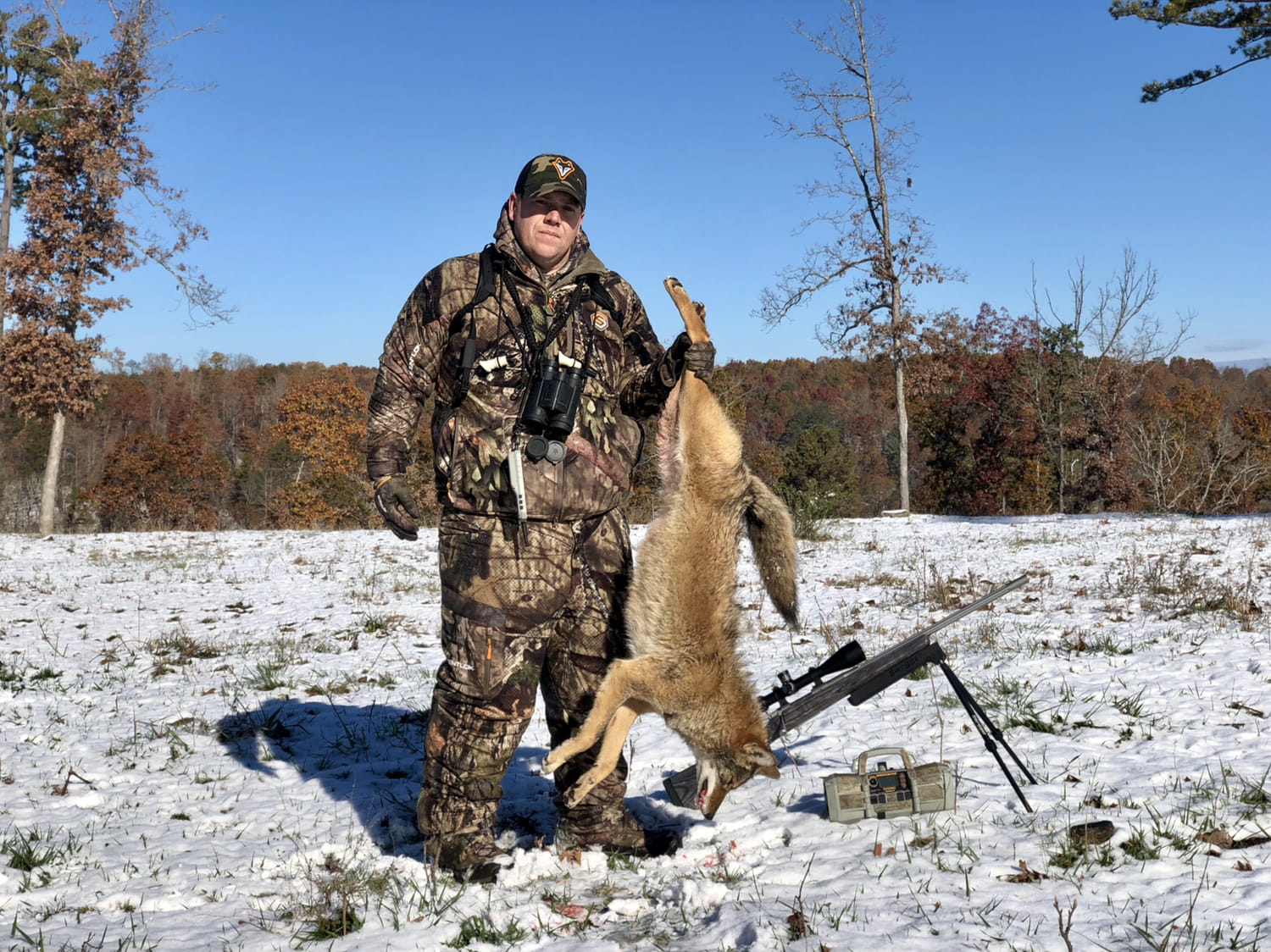
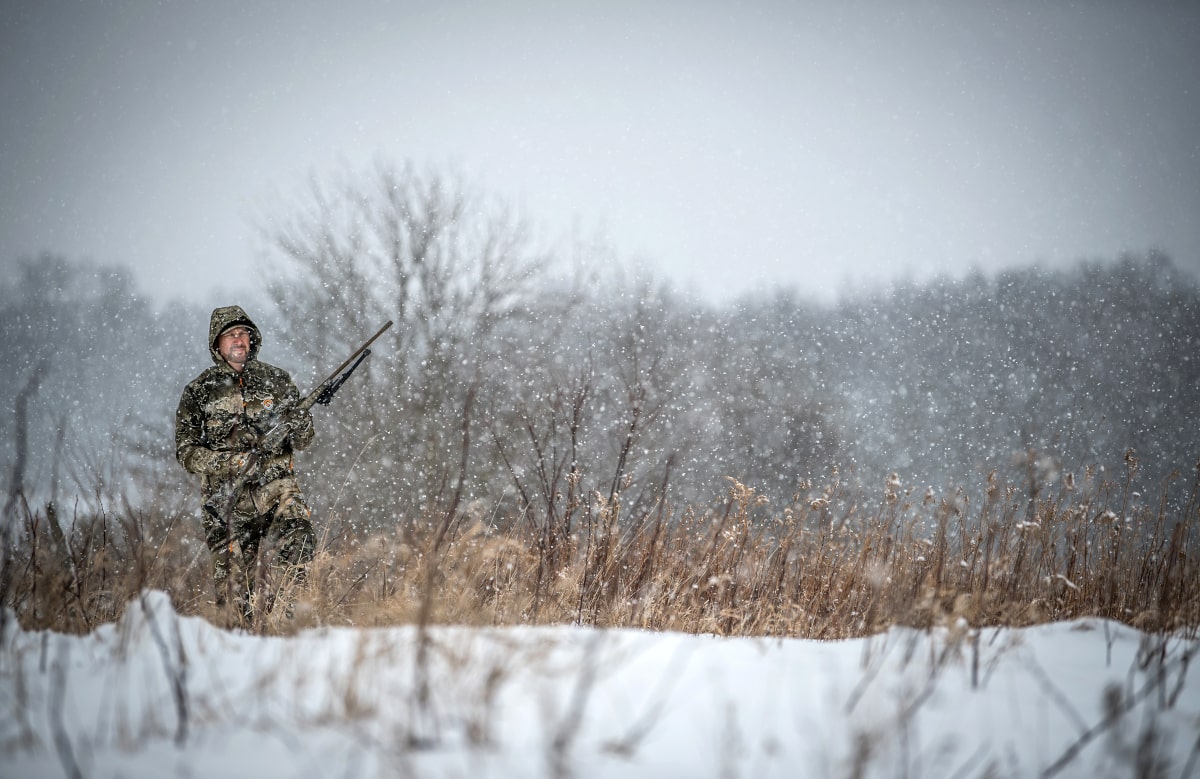
For many, a cold winter snowfall results in a day or two of sitting inside a warm house, sipping on hot chocolate or a piping hot cup of coffee. However, a white-covered ground sounds the alarm for a coyote hunter who knows it is a perfect time to get on their predator hunting gear and go coyote calling. Ever since I was a young teenager, a snowfall always meant it was “the time” to go coyote hunting. While in high school, when we would receive that highly anticipated phone call from our principal saying, “no school, have a great snow day,” it was a gimmie that my buddies and I were going to be soon tracking through the snow with our rifles and our electronic caller in search of hungry predators. Some twenty years later, snow is still vital to my winter-time success when calling predators into close shooting range. Snow-covered grounds and colder weather can help reap the rewards for predator hunters. Below are three reasons fur hunters should love the snow when calling coyotes.
Coyotes Are Hungry
A coyote is one of the most resilient animals on earth due to their ability to adapt to various climates and habitats. Studies have shown that coyotes can survive in almost every environment and territory throughout the United States and Canada, including in colder climates. Their thick fur coats help them keep warm, while their need to feed on small prey such as mice, rodents, and rabbits becomes more vital for survival. After the ground is covered in a blanket of white snow, small rodents and prey become harder for predators to find. After two or three days of frigid temperatures and food becoming scarce, coyotes often form into packs to increase their hunting success. When hunters play the sound of an easy meal throughout the air, coyotes are likely to waste no time heading to the sound because they are extra hungry and ready to eat. During the winter, small prey makes up most of a coyote's diet. For that reason, using sounds such as rodents in distress, rabbit in distress, and any other small prey that is easier for coyotes to find and catch during the winter, is the best choice for an electronic call when hunting.
Easy To Track When Scouting
One of the most crucial factors in becoming a successful predator caller is scouting before hunting; when an area is scouted days before calling, it lets the hunter know that there are coyotes in the area and where the best zones to call are based on the collected data. What better way to find where coyotes are traveling than following their tracks in the snow? By pursuing coyote tracks in the snow, the hunter can determine if there is more than one coyote in the area. Tracks can also reveal if coyotes are only passing through; encountering zigzagging tracks through the snow instead of a single set of tracks that travels through in a straight line is a clear indication of an area where many coyotes reside, one to which a hunter should return.
Better Visibility
Any hunter who has spent time hunting and calling predators has likely encountered a coyote or bobcat that seemed to appear out of nowhere. It is typical for coyotes and bobcats to sneak into the call, using the landscape, shadows, and whatever else they can find to stay concealed from whatever is making the sounds until they are within close range. While calling or hunting during daylight hours, with a blanket of bright white snow covering the landscape, it is much easier to see a predator approaching the call. The hunter can identify approaching predators from a more extended range, and the white-covered ground allows the hunter's lights, such as the TruGlo LED Predator Hunting Light, to be used to its maximum ability when hunting at night. Snow can be even more beneficial to the hunter in the dark; a moonlight night when snow is on the ground creates a beautiful scene for predators responding to a call. When hunters can spot predators faster, and their equipment works at a higher level, the better their chance of the hunt ending with a truck bed full of predators.